
Agent Harness Engineering, Simplified
The model is no longer the hard part. The engineering that makes AI reliable lives in the harness around it: the loop, tools, context, memory, guardrails, and recovery paths. Here is what that means in plain terms, and why it matters for the IT channel.

Inside this article
- The model is becoming the easy part. Swapping one frontier model for another is close to a config change.
- The durable engineering is the harness: the loop, tools, context policy, memory, guardrails, and recovery paths wrapped around the model so it can finish real work.
- For the IT channel, harness engineering is the implementation work itself. It is what makes an agent safe to put near a ticket, a quote, or an approval.
For two years the conversation about AI started with the model. Which one is smartest. Which one tops the benchmark this month. Which provider has the longest context window.
That conversation is quietly losing relevance.
The models are now good enough that for most business work, the bottleneck is no longer raw intelligence. Swapping one frontier model for another is closer to a configuration change than a rebuild. The thing that decides whether an agent actually finishes a job, safely, is not the model. It is everything wrapped around it.
That wrapper has a name now. It is the harness, and building it well has a discipline: harness engineering.
What a Harness Actually Is
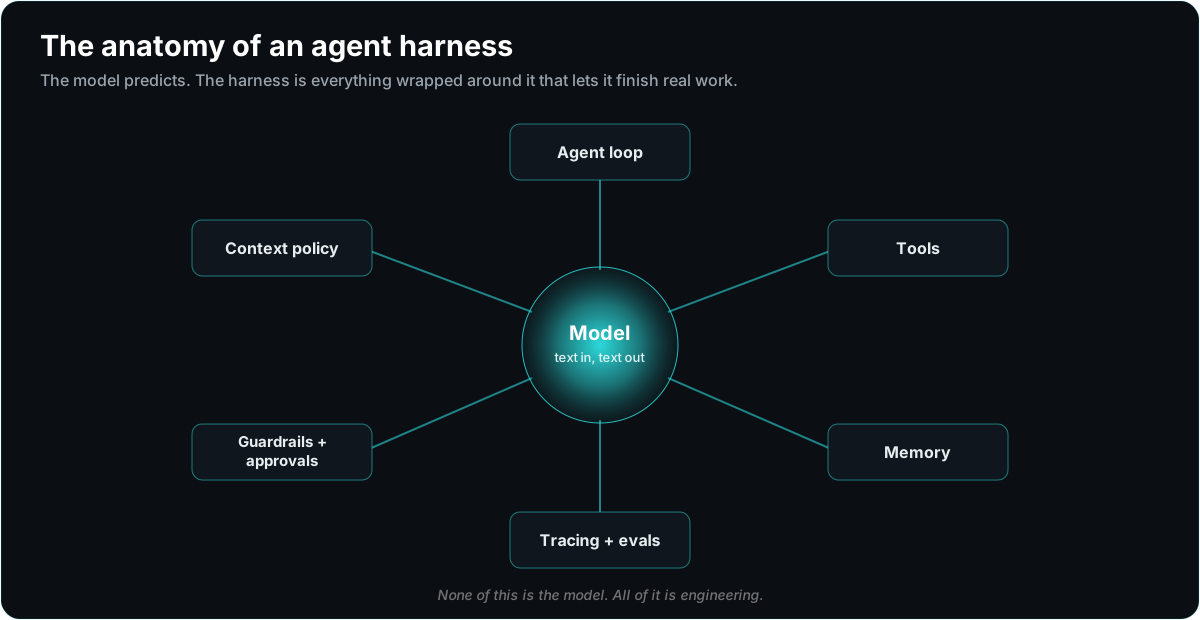
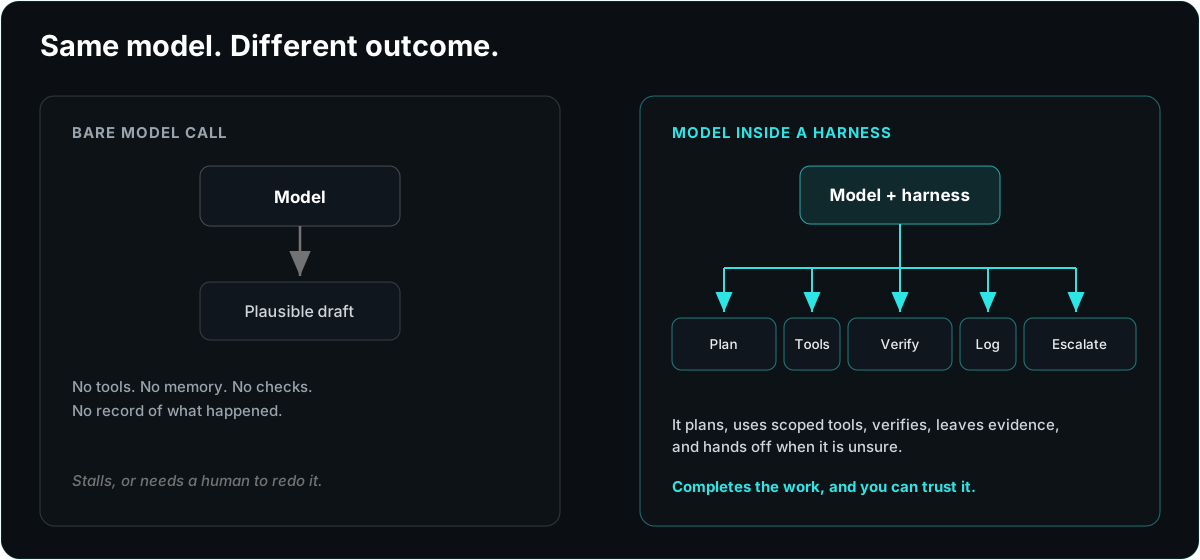
A model on its own does one thing. It takes text in and predicts text out. It has no memory between calls, no ability to use a tool, no way to check its own work, and no sense of when to stop.
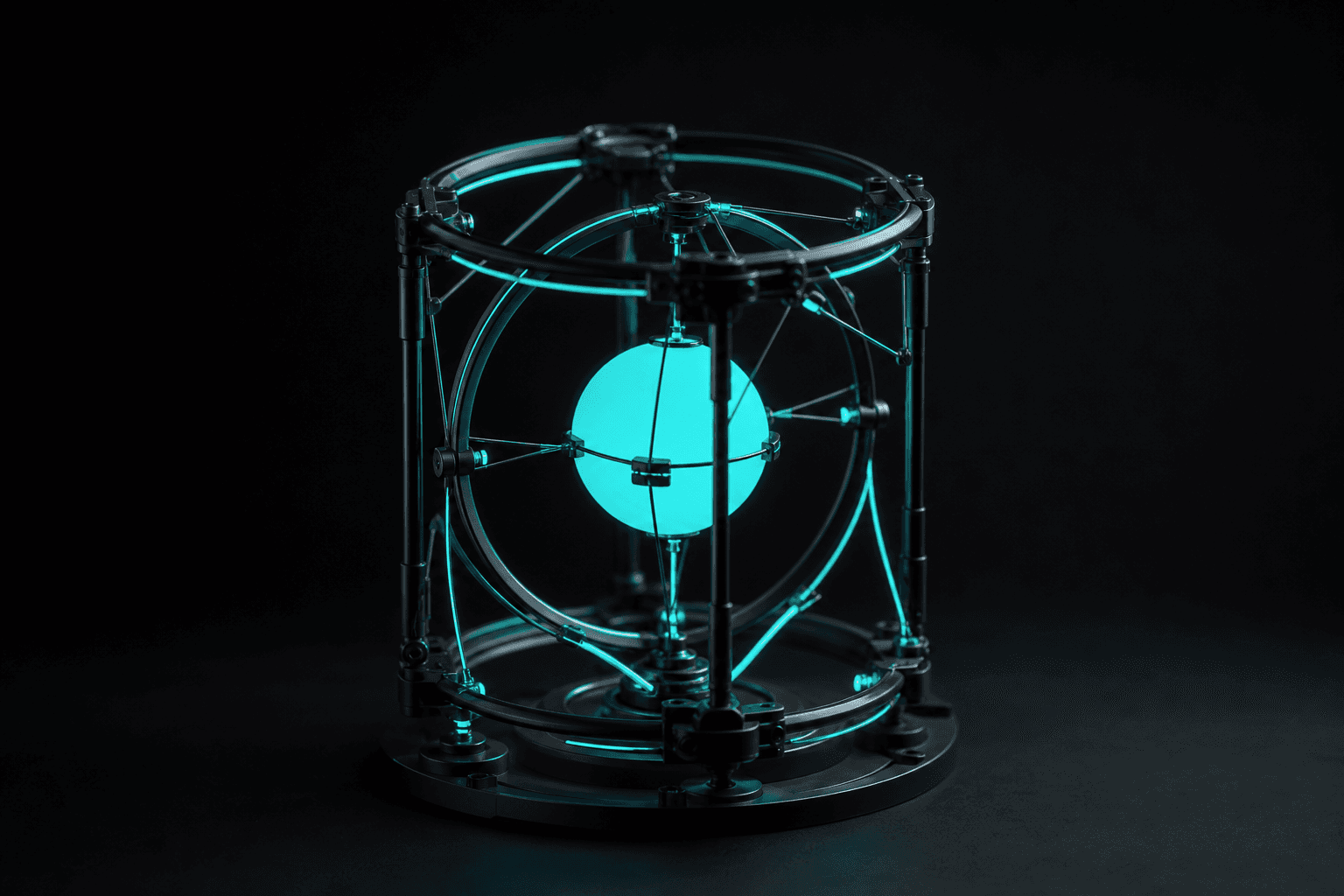
A harness is the system that turns that prediction engine into something that can do work. The anatomy is fairly consistent: an agent loop that lets the model take an action, see the result, and decide the next step; a set of tools the model can call; a context policy that controls what the model sees at each step; memory that survives across steps and sessions; guardrails that constrain what the agent is allowed to do; and tracing that records what happened.
None of that is the model. All of it is engineering.
Anthropic's engineering team has published the clearest public breakdown of how to design a harness for long-running work. Their framing is worth sitting with: agents still struggle to work across many context windows, so they looked to how human engineers break a long job into bounded pieces, leave notes, verify as they go, and pick the work back up later. The harness is what makes that possible.
A Decent Model With a Great Harness Wins
The most useful claim in this space is blunt: a decent model with a great harness beats a great model with a bad harness.
OpenAI made the point concrete with its account of building with Codex in an agent-first way. The lesson was not that the model got smarter. It was that the absence of hands-on human coding shifted the real work into systems, scaffolding, and leverage. The engineering moved from writing the code to designing the structure that lets an agent write it reliably.
As Addy Osmani put it, the interesting engineering is no longer in picking the model. It is in designing the scaffolding around it: the prompts, tools, context policies, sandboxes, subagents, feedback loops, and recovery paths that let the thing actually finish something.
That reframes where the value sits. The model is rented. The harness is built. And the harness is where the knowledge of how your business actually runs gets encoded.
The Channel Already Knows This Pattern
For IT solution providers, MSPs, and distributors, harness engineering should feel familiar, because it is the same shape as good implementation work.
A model with no harness is like a brilliant new hire with no access, no runbook, no approval path, and no record of what they did. Smart, fast, and impossible to trust with anything that matters.
The harness is the onboarding. It is the scoped credentials, the standard operating procedures, the review steps, the audit trail, and the escalation path. It is what lets you put capability near real work without creating unmanaged risk.
That is why an agent inside a ticket, a quote, or a partner program is not a model problem. It is a harness problem. What tools can it reach. What can it read versus change. What does it do when it is unsure. What gets logged. Who approves the irreversible step. Where does a human take over.
Those questions do not get answered by buying a better model. They get answered by engineering the harness around the workflow.
Where Harnesses Break
The failures are predictable, and they are almost never the model being wrong about facts.
Context is the first one. Give the model too little and it guesses. Give it too much and it drowns, gets slower, and costs more. The goal, in Anthropic's words, is the smallest set of high-signal tokens that gets the job done. That is a design decision, made per workflow, not a setting you turn on.
Tools are the second. An agent is only as capable and as safe as the tools you hand it. A tool with a vague description gets misused. A tool with too much power becomes a liability. Tool design is harness design.
Stop conditions are the third, and the most underrated. Early agents without clear stopping rules wander, re-read the same things, and burn tokens without progress. Knowing when an agent should stop, ask, or hand off is part of the engineering.
Recovery is the fourth. Real work fails partway. A good harness can checkpoint, leave a durable note, and resume without starting over. A bad one loses the thread the moment a context window fills up.
And running underneath all of it: evaluation and tracing. If you cannot measure whether the harness is getting better, and you cannot see what the agent did after the fact, you are not engineering. You are hoping.
The Work Ahead
The market is about to spend a lot of energy arguing about which model is best. For most businesses, that argument is close to settled and getting more settled every month. The models are good. They will keep getting good. That is not where the leverage is.
The leverage is in the harness. It is in the loop, the tools, the context, the memory, the guardrails, and the recovery paths that turn a capable model into a system you can actually trust near real work. It is the part that does not transfer when your competitor rents the same model you do.
That is also exactly where AI implementation lives. Mapping the workflow, scoping the tools, writing the approval rules, building the context an agent needs, measuring the outcomes, and improving the system after launch. The model is the easy part to buy. The harness is the part you have to build, and it is where the real work is.